
Winter in Canada: First-Winter Guide for Newcomers
 Srujan YeletiFounder, Unlimit Mobile
 4 min read
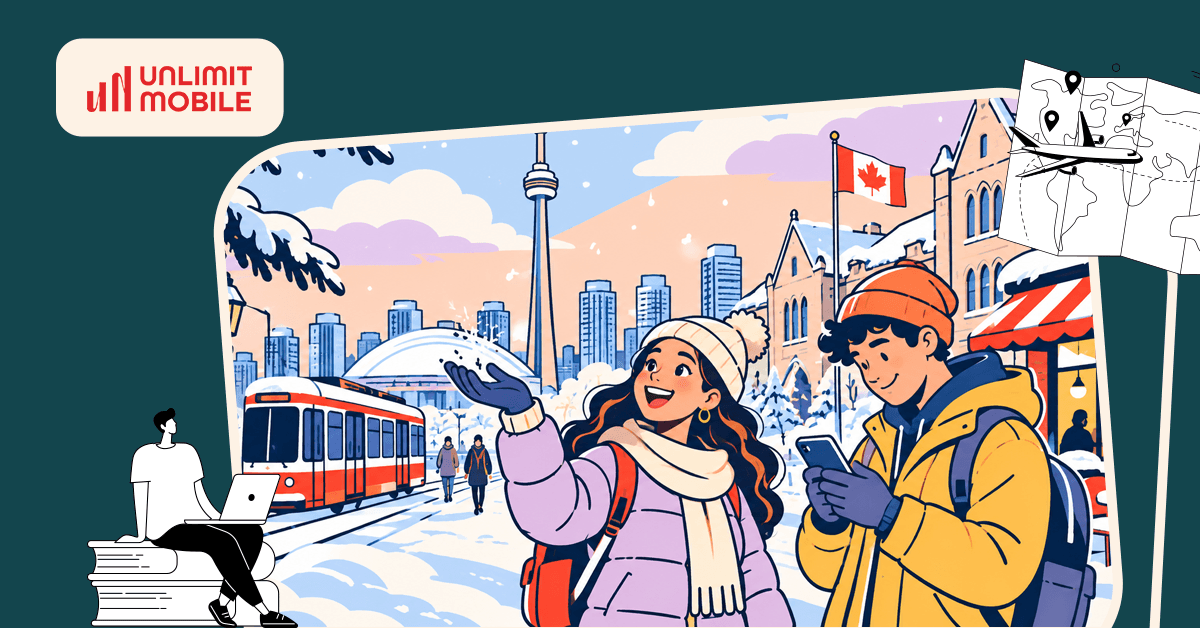
Your First Winter in Canada: What to Expect and How to Prepare
Your first winter in Canada can be a big adjustment, particularly if you are moving from a country where temperatures rarely drop below 15°C. From waiting for a bus in freezing temperatures to walking on snow-covered streets, even simple daily routines can feel unfamiliar. The good news? You do not need to figure everything out at once. Knowing what to expect and preparing for a few practical challenges can make your first Canadian winter much easier.
When Does Winter Start in Canada?
Winter in Canada officially begins around December 21, but cold weather often arrives much earlier. Depending on the province, temperatures can start dropping in October or November, with snowfall beginning before December.
The winter months in Canada are December, January and February. However, snow and freezing temperatures can continue into March or April in many regions.
Here is a general idea of what to expect:
November: Temperatures drop, and some cities experience their first snowfall.
December: Snow becomes more common, and daylight hours are shorter.
January: Often the coldest month, particularly in central and eastern Canada.
February: Freezing conditions continue, although daylight gradually increases.
March: Some areas begin warming up, while others still experience heavy snowfall.
Remember that Canada's winter does not look the same everywhere. Vancouver and Victoria generally experience milder, wetter winters, while cities such as Winnipeg, Montreal and Calgary can experience much colder conditions.
How Long is Winter in Canada?
If you are wondering how long winter in Canada lasts, the answer depends on where you settle.
In many southern Canadian cities, winter conditions typically last around four to five months, although the coldest period is usually concentrated between December and February. Northern communities can experience much longer winters.
For newcomers, this means planning for more than a few weeks of cold weather. Your clothing, accommodation budget and daily travel arrangements should account for the full season.
What Does Everyday Life Look Like During a Canadian Winter?
The temperature is only one part of the adjustment. It is often the small changes to everyday life that catch newcomers by surprise.
Getting to university or work: Snowfall can delay buses, affect train services and make walking more difficult. Allow extra commuting time and check local transit updates before leaving.
Walking on icy streets: Not every slippery surface looks like snow. Black ice is a thin, transparent layer that can look like ordinary wet pavement. Walk slowly, take shorter steps and choose footwear with good grip.
Managing your accommodation: Heating can increase household expenses. Before renting a room or apartment, ask whether heating is included in the rent and whether you will pay separate electricity or heating bills.
Adjusting to shorter days: During December, it can get dark much earlier than you may be used to. Try to get outside during daylight, maintain a regular routine and make time for social activities.
These adjustments can take time, but they become easier once you understand how your city operates during winter.
What Should You Buy for Your First Winter in Canada?
You do not need to spend a fortune buying an entirely new wardrobe. Start with the essentials and add more items as you understand the weather in your city.
| Winter essential | What to look for |
| Winter jacket | Insulated, wind-resistant and preferably waterproof |
| Boots | Waterproof, warm and with a non-slip sole |
| Thermal clothing | Comfortable base layers for colder days |
| Gloves or mittens | Insulated options that protect your hands |
| Winter hat | Something that covers your ears |
| Scarf | Useful for protecting your neck and face |
One important tip: dress in layers rather than relying on one very thick jacket. You can remove a sweater or thermal layer when entering heated classrooms, libraries, shopping centres or public transport.
If your budget is limited, prioritise a good pair of boots and a suitable winter coat. You can gradually purchase the remaining items.
How Can You Stay Safe and Connected During Winter in Canada?
Winter weather can change quickly. Check Environment and Climate Change Canada's forecasts and alerts before making outdoor plans. Pay attention to wind chill, as strong winds can make temperatures feel significantly colder.
For additional safety:
Keep basic groceries, drinking water, a flashlight and essential medicines at home.
If you drive, keep an ice scraper, snow brush and emergency supplies in your vehicle.
Avoid unnecessary outdoor travel during severe snowstorms.
Know the signs of frostbite, including numbness and unusually pale skin.
Staying connected is another practical part of winter preparation. You may need your phone to check weather alerts, track public transport, find alternative routes, contact your university or arrange a ride when services are disrupted.
For international students and newcomers, arranging a local mobile connection before arrival can make these everyday tasks easier. Unlimit Mobile offers prepaid connectivity options in Canada, including eSIM plans for compatible, unlocked devices. You can explore Unlimit Mobile's Canada eSIM plans to compare available options before travelling.
FAQs about Winter in Canada
Is winter in Canada the same in every province?
No. Coastal British Columbia generally has milder, wetter winters, while the Prairie provinces and parts of Quebec and Ontario experience colder temperatures and more snowfall. Your preparation should depend on your destination.
Should I buy winter clothes before arriving in Canada?
Bring warm clothing you already own, but consider buying your main winter jacket and boots after arriving. Local stores offer options suited to the conditions in your destination city.
Do universities close during heavy snowfall in Canada?
Not automatically. Universities may move classes online, delay activities or close campuses during severe weather. Check your institution's official website, email and emergency notifications for updates.
Can I use an eSIM throughout winter in Canada?
Yes. Cold weather does not automatically deactivate an eSIM. However, extreme cold can affect your phone's battery performance. Keep your device warm and check your eSIM provider's network coverage and device compatibility.